Table of Contents
ToggleIntroduction
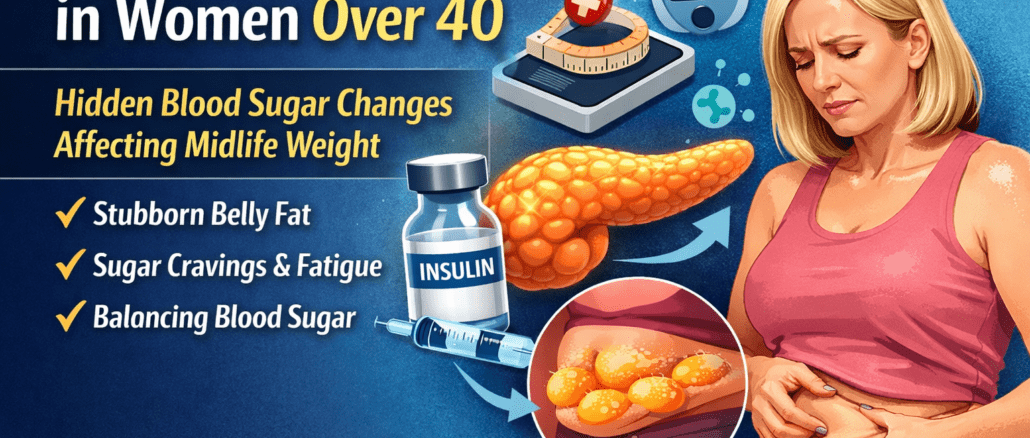
If you are over 40 and have started to notice stubborn belly fat, stronger sugar cravings, or low energy in the afternoon, insulin may be affecting your body more than you realize.
Insulin resistance in women over 40 is actually very common, and it usually does not happen suddenly, but develops slowly as hormones shift and metabolism naturally changes during midlife.
Many women say they eat the same foods they always have, yet they still gain weight, feel hungrier than before, or notice they feel unusually tired after meals, which can feel confusing and frustrating when their daily habits have not changed.
This does not mean your body is failing.
After the age of 40, especially during perimenopause, estrogen levels begin to change, and these shifts can affect how your body responds to insulin, which plays an important role in blood sugar balance, fat storage, and overall metabolic health.
When you understand what is happening inside your body, it becomes easier to respond with patience and support, instead of feeling stuck, discouraged, or blaming yourself for changes that are largely biological.
These shifts are also connected to broader changes discussed in our guide on metabolism after 40, where hormonal transitions begin influencing how efficiently the body burns calories.
What Is Insulin Resistance?
Insulin is a hormone that helps move sugar from your blood into your cells, where it can be used to create energy and keep your body running smoothly.
When your body becomes resistant to insulin, your cells do not respond as well as they should, which means sugar stays in the bloodstream longer and the body responds by producing even more insulin.
As insulin levels stay high, signals that promote fat storage increase, energy levels can rise and fall more sharply, and it becomes easier for weight to accumulate, especially in the abdominal area.
In women over 40, insulin resistance often develops slowly and quietly, so it may not show up clearly on lab tests at first, even though you may already notice changes in your energy levels, hunger cues, and how your body stores fat.
According to the National Institute of Diabetes and Digestive and Kidney Diseases (NIDDK), insulin resistance occurs when cells in your muscles, fat, and liver do not respond properly to insulin and cannot easily take up glucose from the blood.
Why Insulin Resistance Becomes More Common After 40
Hormones often begin to shift in the early 40s, even before menopause officially starts, and these changes can quietly affect how the body manages weight and energy.
As explained in our guide on hormonal weight gain after 45, estrogen plays an important role in how sensitive the body is to insulin, which helps regulate blood sugar.
When estrogen levels begin to fluctuate or decline, cells may respond less efficiently to insulin, blood sugar becomes harder to control, and the body is more likely to store fat, especially around the belly.
Medical experts at the Cleveland Clinic explain that insulin resistance occurs when cells stop responding properly to insulin signals, making it harder for sugar to move out of the bloodstream.
After the age of 40, this process can be influenced by hormonal changes, natural muscle loss, higher stress levels, and lower daily activity, which together create a situation where maintaining healthy blood sugar balance becomes more challenging.
If you are noticing that your body burns calories more slowly than before, our detailed guide on why metabolism slows after 45 explains the hormonal and metabolic factors behind these changes.
Signs of Insulin Resistance in Midlife Women
Many women begin to notice symptoms long before they ever receive a formal diagnosis, which can make the experience confusing and frustrating.
Common signs may include increased belly fat, stronger cravings for carbohydrates, noticeable energy crashes after meals, feeling hungry again shortly after eating, difficulty losing weight despite effort, and frequent brain fog or mental sluggishness.
Because these symptoms often overlap with other hormone changes that happen during midlife, insulin resistance in women over 40 is frequently overlooked or mistaken for normal aging.
The Connection Between Insulin and Belly Fat
Insulin acts as a storage hormone, meaning that when blood sugar rises, it helps move and store extra glucose so the body can use it later.
When this process happens often, the body becomes more likely to store that extra energy as fat, especially when insulin levels remain high for long periods.
High insulin levels tend to push fat storage toward the abdominal area, and this type of fat, often called visceral fat, is more active in the body and closely linked to overall metabolic health.
This helps explain why weight gain during midlife often appears around the belly rather than in areas like the hips or thighs.
As muscle mass naturally declines after the age of 40, which we explain in our metabolism after 40 guide, the body has fewer places to store glucose efficiently, making steady blood sugar control even more important.
How Stress and Sleep Influence Insulin
Insulin does not work on its own, because other hormones and daily habits strongly influence how it affects the body.
Chronic stress raises cortisol levels, which can push blood sugar higher, while poor sleep can make the body less responsive to insulin over time.
When ongoing stress and poor sleep combine with the natural hormone changes that happen during midlife, the body may produce more insulin, store more fat, and struggle to keep energy levels steady throughout the day.
This layered effect helps explain why weight gain and ongoing fatigue so often appear together during midlife, even when eating habits have not changed much.
Can Insulin Resistance Be Reversed?
In many cases, insulin sensitivity can improve over time with supportive lifestyle changes that work with the body instead of against it.
One helpful strategy is strength training, because building lean muscle helps the body use glucose more efficiently, and muscle acts as a storage space for blood sugar, which can reduce the need for excess insulin.
Balanced meals also play an important role, especially when carbohydrates are paired with protein and healthy fats, since this combination slows blood sugar spikes and helps prevent sharp rises in insulin.
Light movement after meals can be very effective as well, and even a gentle 10 to 15 minute walk after eating can improve how the body handles blood sugar.
Consistent, quality sleep supports hormone balance and makes it easier for insulin to work properly, while simple daily stress-management habits can help lower cortisol and support overall metabolic health.
The good news is that insulin resistance in women over 40 tends to follow clear biological patterns, and with steady, supportive habits, many women begin to notice meaningful improvements over time.
Some women also explore additional metabolic support through targeted nutrition plans or supplements. If you're researching options, you can read our detailed CitrusBurn review to better understand ingredients and formulation approaches before making a decision.
Frequently Asked Questions
What causes insulin resistance in women over 40?
Insulin resistance in women over 40 is often linked to natural hormone shifts, gradual muscle loss, higher stress levels, poor sleep, and lower daily activity, all of which can affect how the body handles blood sugar over time.
Does insulin resistance cause belly fat?
High insulin levels can encourage the body to store more fat, and this fat tends to collect around the abdomen more easily than in other areas.
Can perimenopause affect blood sugar?
Yes, changes in estrogen during perimenopause can affect insulin sensitivity and make blood sugar harder to regulate.
How do I know if I have insulin resistance?
Common signs include stubborn belly fat, feeling tired after meals, strong cravings for carbohydrates, and difficulty losing weight, while a healthcare provider can confirm insulin resistance through lab testing if needed.
Final Thoughts
Insulin resistance in women over 40 is fairly common, and it does not mean that your body is broken or failing you.
It usually develops from a mix of gradual hormone changes, natural muscle loss, ongoing stress, and everyday lifestyle factors that begin to work together over time.
When you understand how insulin affects fat storage and energy levels, it becomes easier to adjust your habits in ways that better support your body during midlife.
Metabolism after 40 does work differently, but with the right approach, it can still be supported in ways that feel realistic, steady, and sustainable.

Be the first to comment