Table of Contents
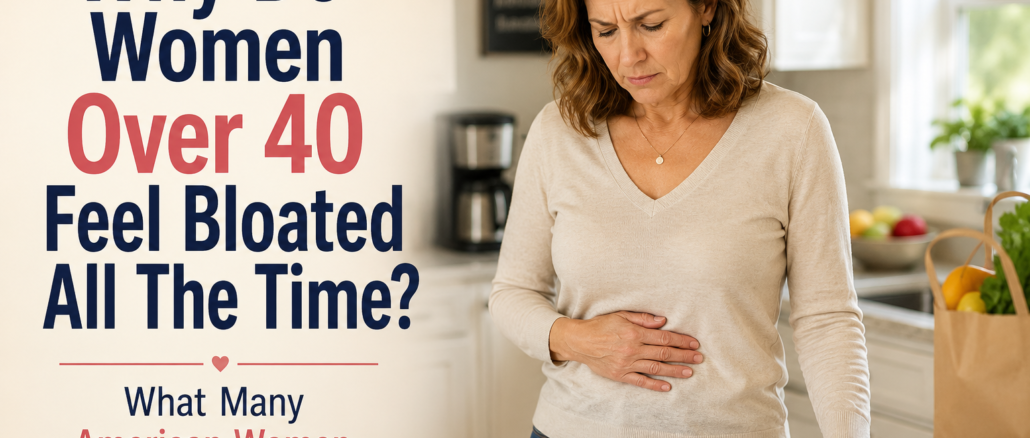
ToggleWhy Do Women Over 40 Feel Bloated More Often?
Have you been eating much the same way but still notice your stomach feels swollen, uncomfortable, or tighter by the end of the day?
Many American women over 40 ask themselves this exact question. Clothes may fit differently, favorite meals may suddenly leave you feeling bloated, and healthy habits don’t always seem to make the same difference they once did.
While occasional bloating is common, persistent or severe bloating should always be discussed with a qualified healthcare professional, especially if it is new, worsening, or occurs with other concerning symptoms.
Meals that once felt perfectly normal may now leave you feeling uncomfortable for hours. You may notice your clothes feel tighter by evening, your stomach feels fuller than expected, or your energy isn’t quite what it used to be.
Bloating after 40 is often influenced by several everyday factors rather than a single cause. Understanding those factors can help you recognize patterns, make informed lifestyle choices, and better understand what your body may be telling you. In this guide, you’ll learn nine common reasons many women notice more bloating after 40, along with practical lifestyle strategies that may help you better understand what your body is telling you.
Key Takeaway
Most bloating after 40 isn’t usually caused by one single food or one single habit. Hormones, digestion, stress, sleep, blood sugar, and everyday lifestyle patterns often work together. That’s why small improvements in several areas can make a noticeable difference over time.
As you read through the sections below, you may recognize more than one factor that applies to you.
Why Bloating Often Feels Different After 40
Many American women notice that bloating becomes more frequent after age 40, even when their eating habits and daily routines haven’t changed very much.
Several everyday factors may contribute, including:
Although every woman is different, the following factors are among the most common reasons bloating becomes more noticeable during midlife.
- Changes in hormones
- Higher stress levels
- Poor sleep quality
- Slower digestion
- Less daily movement
- Busy schedules and routines
- Eating highly processed foods
Food choices can also make a difference. Many packaged convenience foods commonly found in American grocery stores are higher in sodium, added sugars, or highly processed ingredients that may contribute to temporary bloating for some people.
For many women, bloating reflects the combined effects of several everyday factors rather than a single underlying cause.
Hormonal Changes Can Affect Digestion
Hormone changes don’t affect every woman in the same way, but they may help explain why digestion feels different during perimenopause and menopause.
One common reason bloating feels different after 40 is that hormone levels naturally begin to change during midlife.
Two important hormones, estrogen and progesterone, do more than support reproductive health. They can also affect:
Digestion
Water balance in the body
How food moves through the gut
Hunger and fullness signals
As hormone levels change, many women may notice:
Feeling fuller after eating
Holding more water than usual
Mild stomach swelling
Increased sensitivity to certain foods
These changes don’t automatically mean something is wrong. For many women, they’re a normal part of midlife, although persistent or concerning symptoms should always be discussed with a healthcare professional.
Stress Can Have a Bigger Impact Than Many Women Realize
Stress can affect more than your mood. It can also affect your digestion.
Many women over 40 balance careers, family responsibilities, caregiving, and countless daily demands. Over time, ongoing stress can make digestive discomfort feel more noticeable. Over time, ongoing stress may make digestive problems more noticeable.
When stress stays high, it may:
Slow down digestion
Keep food in the gut longer
Make gas build up more easily
Increase feelings of bloating
For some women, stress and bloating can go hand in hand.
Stress can also affect sleep quality, creating a cycle in which poor sleep and digestive discomfort may reinforce each other.
If stress has been affecting your appetite, cravings, or eating patterns, this guide may also help:
Sleep Problems May Contribute to Bloating
Sleep and digestion are closely connected, which is why poor sleep can sometimes make bloating feel more noticeable.
Quality sleep supports several body systems that influence digestion, including:
Hormone balance
Blood sugar control
Hunger and fullness signals
The body’s natural recovery process
When sleep is poor, the body may become more sensitive to digestive discomfort.
Many women who wake up during the night also notice changes in:
Energy levels
Food cravings
Digestion
Some Foods Become Harder to Tolerate

Many women over 40 notice that foods they used to eat without a problem can start to feel different.
Many common American meals contain:
Processed foods
High amounts of salt
Added sugar
Restaurant foods
Quick and convenience meals
For some women, these foods may lead to:
Water retention
Digestive discomfort
Temporary bloating
This doesn’t mean you need to avoid these foods completely. Instead, it can help to pay attention to how different meals make you feel.
Keeping track of how different meals make you feel can help you identify eating patterns that support better digestive comfort over time.

Researchers continue to study how the gut microbiome changes with age and how those changes may influence digestion.
While research is ongoing, maintaining a varied, fiber-rich diet is one practical way many women support a healthy gut microbiome.
The gut microbiome is the community of bacteria and other microorganisms that naturally live in your digestive system.
Your gut contains trillions of bacteria that help your body:
• Digest food
• Support your immune system
• Make certain nutrients
As women get older, these gut bacteria can change. These changes may affect how the body handles certain foods.
Some women notice:
• More gas after meals
• More frequent bloating
• Greater sensitivity to certain foods
Because these changes often happen gradually, it can be difficult to notice them until bloating becomes a more regular part of daily life.
Insulin Resistance May Be Connected
Many women who deal with bloating also notice other changes, such as:
More belly fat
Stronger food cravings
Energy drops in the afternoon
Changes in weight
Sometimes these symptoms may be linked to how the body manages blood sugar.
When blood sugar levels are not well balanced, it can affect energy, hunger, and overall well-being.
If you’ve noticed several of these changes together, this article provides useful background:
Women who notice bloating alongside stubborn belly fat, stronger cravings, or afternoon energy crashes may also want to understand the early signs of insulin resistance.
• Early Signs of Insulin Resistance After 45
Healthy habits remain the foundation of long-term wellness, but they don’t always produce immediate results.
Why Healthy Habits Sometimes Aren't Enough
Many women over 40 eat healthier foods, drink more water, improve sleep habits, and try to stay active.
Even with these positive changes, some women still notice:
• Ongoing bloating
• Lower energy
• Stronger cravings
• Belly fat that seems harder to manage
This can feel confusing, especially when the same habits worked well in earlier years.
Midlife changes don’t erase the value of healthy habits, but they may mean your body responds differently than it did in your 20s or 30s.
Water Retention Can Look Like Weight Gain
One of the hardest things about bloating is that it can feel a lot like weight gain.
Many women notice:
A larger or swollen stomach by the end of the day
Clothes that feel tighter than usual
Puffy hands or a puffy face
Small changes on the scale
In many cases, this is caused by extra water in the body, not an increase in body fat.
Several things can affect water retention, including:
Hormone changes
Eating too much salt
Stress
Poor sleep
These factors can make bloating more noticeable from day to day.
Digestive Speed Naturally Changes With Age
Digestion does not stop working after age 40. However, some women notice that it may slow down over time.
When digestion slows, it may lead to:
Feeling full after meals
More gas
Bloating that lasts longer
Many women notice these changes after eating:
Large restaurant meals
Highly processed foods
Heavy meals high in fat or salt
These foods can sometimes make digestive discomfort and bloating more noticeable.
What Health Experts Say
According to digestive health experts and major health organizations, age-related hormonal shifts, stress, sleep disruption, dietary habits, and changes in gut function can all contribute to digestive discomfort and bloating during midlife.
Where Many Women Start

Rather than looking for quick fixes, many American women start by improving the daily habits they can control.
Common first steps include:
• Improving sleep consistency
• Managing everyday stress
• Eating more slowly
• Staying well hydrated
• Taking a short walk after meals
• Paying attention to how different foods affect digestion
While these habits may not eliminate bloating overnight, they can help you identify patterns, support digestive health, and build a routine that’s easier to maintain over time.
As they continue learning, many women also explore how metabolism, blood sugar balance, hormones, and healthy aging work together to support long-term wellness.
Frequently Asked Questions
Is bloating after 40 normal?
Yes. Many women notice more bloating after age 40. Changes in hormones, digestion, stress, sleep, and daily habits can all play a role.
Why does my stomach look bigger even if my weight stays the same?
Bloating and extra water in the body can make your stomach look larger. This can happen even when you have not gained body fat.
Can hormones cause bloating after 40?
Yes. Changes in hormone levels can affect digestion, water balance, and how your body handles food. This may make bloating more noticeable.
Can stress make bloating worse?
Yes. Stress can affect digestion and may lead to more gas, discomfort, and bloating in some women.
Can poor sleep affect digestion?
Yes. Sleep helps support hormone balance, hunger signals, and digestion. Poor sleep may make digestive problems feel worse.
Can insulin resistance contribute to bloating?
Some women notice bloating, cravings, belly fat, and energy crashes happening at the same time. While many factors can contribute to these symptoms, blood sugar balance may be one area worth learning more about.
Can a slower metabolism make bloating worse?
Some women notice that digestion, energy levels, and metabolism seem to change together after 40. While a slower metabolism does not directly cause bloating, age-related changes may make digestive discomfort feel more noticeable.
Should women talk to a doctor about bloating after 40?
Occasional bloating is common. However, persistent, severe, or unexplained bloating should always be discussed with a qualified healthcare professional, especially if it occurs alongside pain, significant weight changes, or other unusual symptoms.
What Many Women Explore Next
After learning about the possible causes of bloating, many women choose to learn more about metabolism, blood sugar balance, digestive wellness, and healthy aging.
Understanding how these factors work together can help you make more informed decisions about your overall wellness routine.
Expert Note
Research suggests that bloating during midlife may be influenced by hormone changes, stress levels, sleep quality, dietary habits, digestive function, and blood sugar regulation. Persistent changes in appetite or eating behaviors should always be discussed with a qualified healthcare professional.
Health Disclaimer
This article is for educational purposes only and should not be considered medical advice. Always consult a healthcare professional regarding persistent health concerns or before starting new supplements.
References
- National Institute on Aging.
- Harvard T.H. Chan School of Public Health.
- American Gastroenterological Association.
- American Diabetes Association.
Conclusion
Why do women over 40 feel bloated all the time?
For many American women, the answer involves a combination of factors rather than one single cause. Hormonal shifts, stress, sleep quality, digestion, blood sugar balance, busy U.S. routines, and typical American meals may all contribute to the experience.
The most important thing to remember is that you’re not alone. Many women notice these changes during midlife, and understanding the possible causes is often the first step toward feeling more informed and confident.
If you’ve already built consistent healthy habits but still feel like your progress has stalled, many women choose to learn more about how metabolism, digestive health, and evidence-informed nutritional support may complement those routines.
If you’re exploring your next step, our Best Supplements for Women Over 40 guide explains commonly discussed ingredients, summarizes current evidence, and highlights what to consider alongside healthy lifestyle habits.