Table of Contents
ToggleIntro
If you’re an American woman over 45 and suddenly noticing belly fat—even though your routine hasn’t changed—you’re not imagining it.
Weight that once stayed the same may begin to move to the waist.
Belly fat may appear more easily.
Losing it may feel harder than before.
These changes are common after age 45.
This is often the moment many women realize—it’s not just about eating less, but understanding what actually supports their body now.
In the United States, many women notice these changes during busy schedules, quick meals, and daily stress—making results feel confusing and frustrating.
Hormone changes, daily habits, and body changes can all affect how the body uses blood sugar and stores fat.
Learning how insulin resistance and belly fat are linked can help explain why these changes happen.
U.S. lifestyle patterns—like irregular meals, stress, and low activity—can also influence how the body stores fat after 45.
It can also help you understand which habits may support a healthier metabolism.
What Is Insulin Resistance?
Insulin resistance happens when the body’s cells stop responding well to insulin.
Insulin is a hormone that helps move sugar from the blood into the body’s cells.
Cells use this sugar for energy.
When cells do not respond well to insulin, the body makes more insulin to help control blood sugar.
Over time, this can affect blood sugar levels and overall metabolism.
The National Institute of Diabetes and Digestive and Kidney Diseases in the United States explains that insulin resistance is often linked to body changes that happen during midlife.
These changes may affect:
• Blood sugar levels
• How the body stores fat
• Energy levels
• Hunger signals
Why Metabolism Changes After 45
Midlife brings natural changes to the body.
These changes can affect how the body uses energy and stores fat.
Several factors are common during this stage of life.
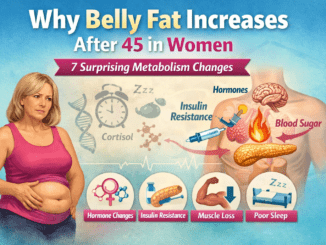
Hormone Changes
Estrogen levels slowly decrease during perimenopause and menopause.
Hormones help control how the body stores fat.
When hormone levels change, the body may store more fat around the belly.
If you’d like to understand these hormonal changes in more detail, read our guide on Hormonal Weight Gain After 45.
Muscle Loss
Muscle mass slowly decreases with age.
Muscle helps control metabolism and use blood sugar for energy.
With less muscle, the body may use glucose less efficiently.
You can also learn more about this process in our guide to Why Metabolism Slows After 45.
Sleep Changes
Sleep problems become more common in midlife.
Poor sleep can affect hormones that control hunger and metabolism.
The National Institute on Aging in the United States explains that metabolism also slows naturally with age.
These changes may affect body fat, weight, and energy levels.
If you’d like practical ways to support your metabolism during midlife, you may also find our guide on Morning Habits That Support Metabolism After 40 helpful.
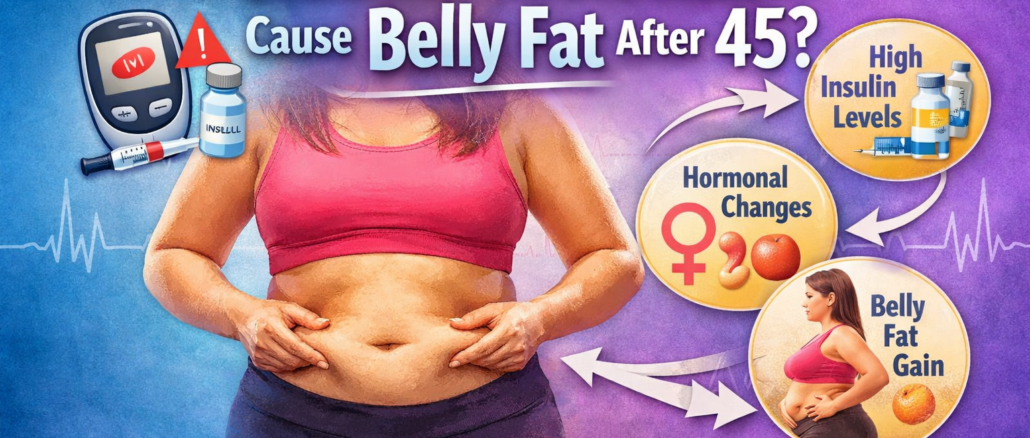
Can Insulin Resistance Cause Belly Fat After 45?
Yes, insulin resistance can play a role in belly fat after age 45.
However, it is usually part of several body changes that happen during midlife.
When insulin levels stay high for a long time, the body may store more energy as fat.
The belly area is very sensitive to these hormone signals.
Because of this, some women notice more fat around the waist during midlife.
The Centers for Disease Control and Prevention (CDC) in the United States explains that belly fat is often linked to metabolic health and blood sugar control.
Understanding how insulin works can help explain why belly fat may appear, even if eating habits stay the same.
7 Reasons Insulin Resistance May Be Linked to Belly Fat
Several factors can explain why belly fat may increase during midlife.
1. Higher Insulin Levels
When insulin resistance develops, the body may produce more insulin.
High insulin levels can cause the body to store more calories as fat instead of using them for energy.
2. Changes in Fat Storage
Hormone changes during midlife can affect where fat is stored.
Fat may begin to collect more around the belly.
Insulin resistance can make this pattern stronger.
3. Blood Sugar Ups and Downs
Blood sugar spikes can increase hunger and cravings.
These changes may make it harder to keep eating habits steady.
4. Slower Fat Burning
Insulin resistance can make it harder for the body to switch between burning sugar and burning fat.
This may affect how the body uses energy.
5. Stronger Sugar Cravings
Some people with insulin resistance feel stronger cravings for sugary foods or refined carbs.
6. Less Muscle Mass
Muscle helps the body use sugar for energy.
When muscle decreases with age, the body may manage blood sugar less efficiently.
7. Stress Hormones
Stress hormones like cortisol can affect insulin sensitivity.
They may also increase fat storage around the belly.
Together, these factors help explain why belly fat often becomes more noticeable during midlife.
Signs That May Suggest Insulin Resistance
Some women start asking, “Can insulin resistance cause belly fat after 45?” when they notice new body changes.
These changes may include:
• Belly weight gain
• Feeling tired after meals
• Craving sugary foods
• Afternoon energy crashes
• Trouble losing weight
These signs can have many causes.
But they may encourage some people to learn more about their metabolic health.
You may also want to read our guide on Signs of Insulin Resistance After 45.
Habits That May Support Healthy Metabolism
The good news is that daily habits can help support insulin sensitivity and metabolic health.
Many experts suggest focusing on simple, consistent health habits.
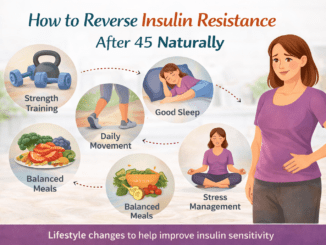
Strength Training
Strength or resistance training helps keep muscles strong.
Muscle helps the body use blood sugar for energy and supports metabolism.
Balanced Meals
Balanced meals help keep blood sugar steady.
Try to include:
• Protein
• Fiber
• Healthy fats
These nutrients help slow digestion and support stable blood sugar.
Daily Movement
Moving your body every day helps the body use sugar more efficiently.
Helpful activities include:
• Walking
• Cycling
• Light exercise
Quality Sleep
Sleep is important for hormone balance and metabolic health.
Good sleep helps the body regulate energy and appetite.
Stress Management
Stress can affect hormones in the body.
Relaxation habits may help support balance.
Helpful options include:
• Meditation
• Deep breathing
• Gentle relaxation exercises
Many experts suggest focusing on simple, consistent health habits.
If you want a deeper step-by-step guide, you can read our article on How to Reverse Insulin Resistance After 45, which explains practical lifestyle strategies that may help improve metabolic health.
Many health organizations say that healthy daily habits are one of the best ways to support long-term metabolic health.
Nutrition and Blood Sugar Balance
Diet habits can also affect insulin sensitivity.
Many nutrition experts suggest focusing on simple, healthy foods.
Helpful choices include:
• Whole foods
• Vegetables rich in fiber
• Lean protein
• Healthy fats
It is also helpful to limit highly processed foods.
These eating habits may help keep blood sugar steady and support stable energy during the day.
If you want more nutrition ideas, you can read our guide on Best Breakfast for Blood Sugar Balance, which shares simple meal ideas for steady energy.
Understanding the Bigger Picture
Many women ask the question, “Can insulin resistance cause belly fat after 45?”
It is important to remember that body changes during midlife usually have more than one cause.
Several factors may play a role, including:
• Hormones
• Daily habits
• Sleep patterns
• Stress levels
• Physical activity
• Eating habits
Because of this, lasting improvements usually come from small daily habits, not quick fixes.
When to Talk With a Healthcare Professional
If you are worried about blood sugar, weight gain, or feeling tired often, it may help to talk with a healthcare professional.
A doctor or health provider can check your metabolic health with simple tests.
They can also give advice based on your personal health history.
This guidance may help you support a healthy metabolism.
Frequently Asked Questions
Can insulin resistance cause weight gain after 45?
Yes, it may play a role. Higher insulin levels can cause the body to store more energy as fat. Hormone changes and slower metabolism during midlife may also affect weight.
Why does belly fat increase during menopause?
Hormones change during menopause. As estrogen levels drop, the body may store more fat around the belly.
What foods help support insulin sensitivity?
Foods with fiber, protein, and healthy fats may help keep blood sugar steady. Helpful foods include vegetables, whole foods, lean protein, and healthy fats.
Does exercise help insulin resistance after 45?
Yes. Regular movement helps the body use sugar for energy. Strength training and daily activity can support healthy metabolism.
Expert Note
Research suggests that insulin resistance during midlife may be influenced by hormone changes, muscle mass, sleep quality, physical activity, dietary habits, stress levels, and overall lifestyle. Persistent changes in weight, blood sugar, or energy should always be discussed with a qualified healthcare professional.
Health Disclaimer
This article is for educational purposes only and should not be considered medical advice. Always consult a healthcare professional before making significant lifestyle changes or starting new supplements.
Research & References
This article was developed using publicly available information from:
- National Institute of Diabetes and Digestive and Kidney Diseases (NIDDK)
- National Institute on Aging (NIA)
- Centers for Disease Control and Prevention (CDC)
- American Diabetes Association
Final Thoughts
So, can insulin resistance cause belly fat after 45?
In many cases, it may play a role.
Belly fat in midlife is often linked to several factors working together. These may include hormone changes, daily habits, and natural body changes that happen with age.
Understanding these factors can help women make better choices for their health.
Healthy habits remain the foundation of long-term metabolic health after 45.
If you’re looking for practical daily strategies to build on these habits, explore our guide on Metabolism Reset After 40.
Along with balanced meals, regular movement, strength training, quality sleep, and stress management, many women also explore additional ways to support their wellness.
If you’d like to compare evidence-informed options, explore our guide to Best Supplements for Women Over 40.