Table of Contents
ToggleIntro
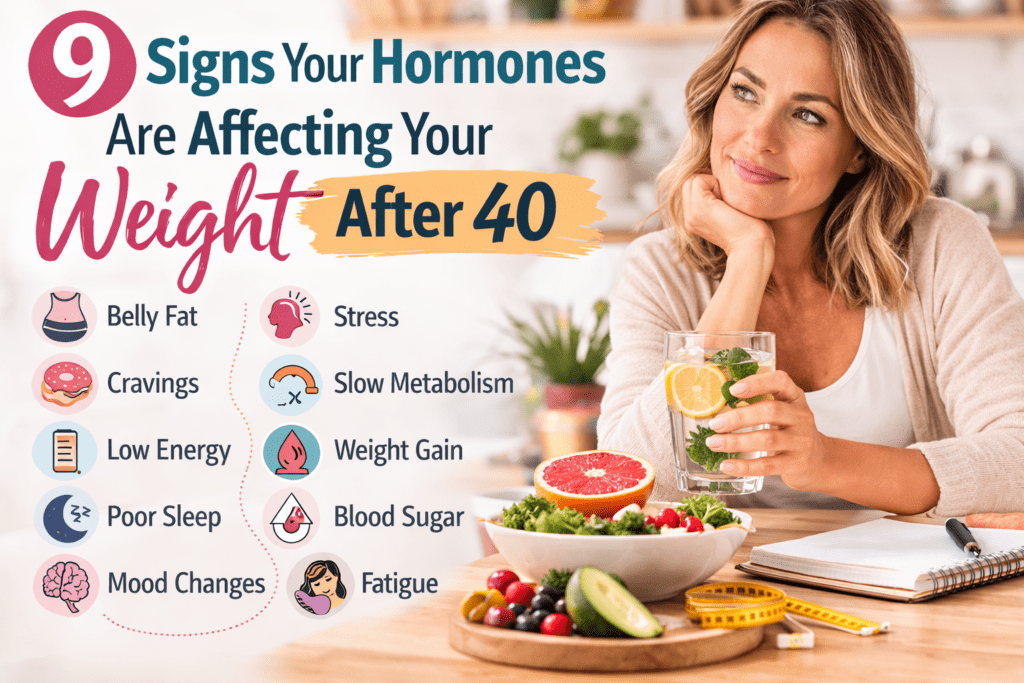
9 Signs Your Hormones Are Affecting Your Weight After 40 explains why many women notice weight changes during midlife.
After age 40, the body begins to change. Hormones like estrogen, progesterone, cortisol, and insulin may shift. These changes can affect how the body stores fat, uses energy, and supports metabolism.
Because of these changes, many women find it harder to maintain a healthy weight. Even when eating habits and exercise stay the same, the body may react differently than before. Many women also begin exploring daily habits that support metabolism after age 40.
Learning the common signs of hormone changes can help women understand their bodies better. It can also help them take simple steps to support metabolism and overall health.
## Why Hormones Change: 9 Signs Your Hormones Are Affecting Your Weight After 40
Hormones send messages in the body. They help control metabolism, hunger, and how the body stores fat.
As women move into midlife, hormone levels can start to change. This may happen because of perimenopause, stress, and changes in how the body handles sugar.
Research from the National Institutes of Health shows that hormone changes can affect body fat, weight, and how the body uses energy.
Because of this, some women may gain weight. The weight often appears around the stomach area.
Below are some signs that hormones may be affecting weight.
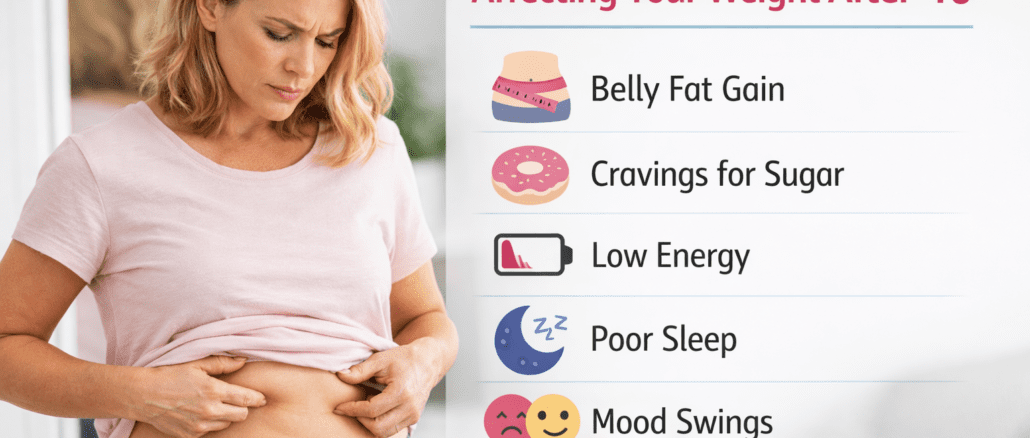
### 1. Gradual Weight Gain Around the Belly
One common sign is weight gain around the belly.
Hormone changes, especially lower estrogen, can affect where the body stores fat. Instead of the hips and thighs, fat may start to build around the stomach.
These changes can also affect how the body uses sugar and how metabolism works.
### 2. Increased Cravings for Sugar or Carbs
Another sign is stronger cravings for sugar or refined carbs.
When blood sugar goes up and down, hunger can increase. This can make people want sweet foods or foods high in carbs.
Research from the Harvard T.H. Chan School of Public Health shows that blood sugar balance is important for appetite and steady energy.
### 3. Slower Metabolism
Many women over 40 notice that their metabolism slows down.
Hormone changes can affect how the body turns food into energy. Muscle may also decrease with age, which can cause the body to burn fewer calories during the day.
Healthy habits can help support metabolism. Regular movement, enough protein, and good sleep may help the body stay balanced.
### 4. Difficulty Losing Weight
Many women find that weight loss becomes harder after 40.
Methods that worked before may not work the same way now.
Hormone changes and stress can affect how the body burns fat or stores it.
Weight loss is still possible, but daily habits may need some changes.
### 5. Increased Fatigue
Feeling tired more often can also be a sign of hormone changes.
Long periods of stress can raise cortisol levels. This may cause the body to save energy and store more fat.
When people feel very tired, they may move less or skip exercise. This can make weight control more difficult.
### 6. Poor Sleep Quality
Sleep and hormones work closely together.
Hormone changes can affect melatonin, the hormone that helps control sleep. Because of this, good sleep may become harder.
Research from the Sleep Foundation shows that poor sleep can affect metabolism and hunger hormones.
When sleep is not enough, people may feel hungrier and have more cravings the next day.
### 7. Mood Changes and Emotional Eating
Hormone changes can affect mood.
Some people may feel more stress, irritation, or worry. These feelings may lead to emotional eating or changes in food habits.
Knowing what triggers these feelings can help people make healthier choices.
### 8. Increased Stress and Cortisol Levels
Long-term stress can raise cortisol levels.
High cortisol may cause the body to store more fat, especially around the belly. It can also increase cravings for high-calorie foods.
Simple stress management habits may help. Gentle exercise, mindfulness, and relaxation can support better balance.
### 9. Changes in Blood Sugar Balance
The last sign involves changes in blood sugar balance.
As people age, the body may respond to insulin in a different way. When blood sugar goes up and down often, the body may store more energy as fat.
Eating balanced meals can help keep blood sugar steady. Meals with protein, fiber, and healthy fats may support better balance.
If you want to learn more about daily habits that support metabolism after 40, read our guide on:
Read our guide on the **morning routine that supports metabolism after 40**
Some readers also explore information about metabolism and blood sugar support in this guide:
**CitrusBurn Review: Metabolism and Blood Sugar Support Guide**
## Lifestyle Habits That May Support Hormonal Balance
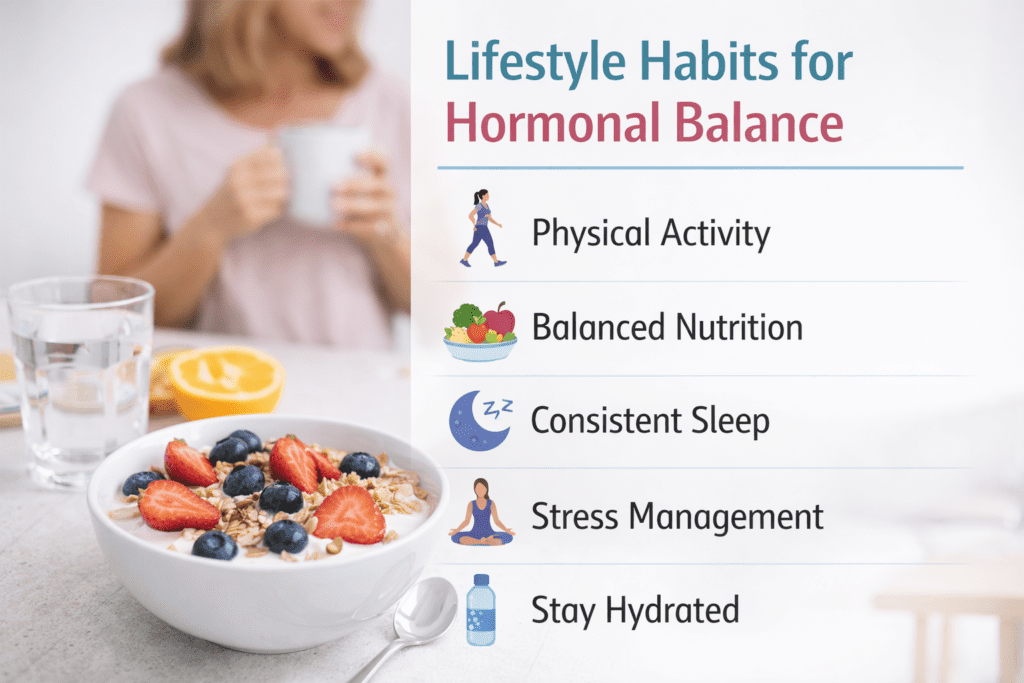
Hormone changes are a normal part of aging. Some daily habits can help support metabolism and overall health.
Helpful habits include:
Regular physical activity
Balanced meals with protein and fiber
A consistent sleep schedule
Stress management habits
Drinking enough water during the day
Health organizations like the Centers for Disease Control and Prevention recommend regular exercise and balanced meals for long-term metabolic health.
Small daily habits can make a big difference over time.
Final Thoughts
Understanding 9 Signs Your Hormones Are Affecting Your Weight After 40 can help women notice body changes during midlife.
Hormones affect many parts of the body. They influence metabolism, hunger, sleep, and how the body stores fat.
When people recognize these signs, they can make better choices for their health.
Healthy habits, balanced nutrition, and good health decisions can help women stay energized and support overall well-being after 40.
Frequently Asked Questions
Why do hormones affect weight after 40?
Hormones control metabolism, hunger, and fat storage. When hormone levels change during midlife, the body may store fat in new places and burn energy more slowly.
Can hormonal weight gain be prevented?
Healthy daily habits may help support hormone balance. Regular movement, balanced meals, and stress control can help support metabolism and overall health.
What hormones influence weight gain?
Several hormones can affect weight. These include estrogen, insulin, cortisol, and thyroid hormones.
Is belly fat related to hormonal changes?
Hormone changes can affect where the body stores fat. Some women notice more fat around the belly during midlife.