Table of Contents
ToggleIntro
Signs of insulin resistance after 45 often become more noticeable during midlife, especially for many American women whose bodies suddenly start feeling different despite keeping many of the same habits and routines.
In the United States, women often notice increased belly fat, stronger cravings, lower energy, afternoon crashes, and weight changes that seem harder to manage after 45.
For women balancing busy U.S. schedules, stress, convenience foods, poor sleep, and hormone changes, these symptoms can feel frustrating and confusing.
The good news is that recognizing these warning signs early may help support healthier blood sugar balance and metabolism over time.
You may feel tired more often.
You may crave sugar or carbs more than before.
You may gain belly fat even if your habits stay the same.
These changes can feel confusing.
Many women describe feeling frustrated when healthy habits suddenly stop producing the same results after 45.
Many women in the United States say these symptoms feel surprising because the same routines that worked in their 30s and early 40s may suddenly stop feeling effective during midlife.
Several things start to change in midlife.
Hormones begin to shift.
Muscle slowly decreases.
Sleep may become lighter or broken.
Stress may also increase.
All of these changes can affect how your body controls blood sugar.
Learning the signs of insulin resistance after 45 can help you notice early warning signs.
It can also help you take small steps to support your metabolism and blood sugar.
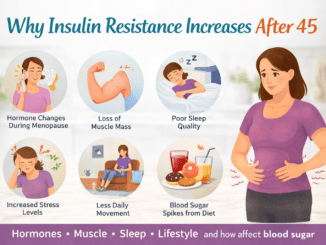
If you’d like a deeper understanding of why insulin resistance becomes more common during midlife, you may also find our guide on Why Insulin Resistance Increases After 45 helpful.
Why Insulin Resistance Becomes More Common After 45 in Many American Women
Before we look at the signs of insulin resistance after 45, it helps to know why the body may change in midlife.
Insulin sensitivity can slowly change as you get older.
Several things may cause this.
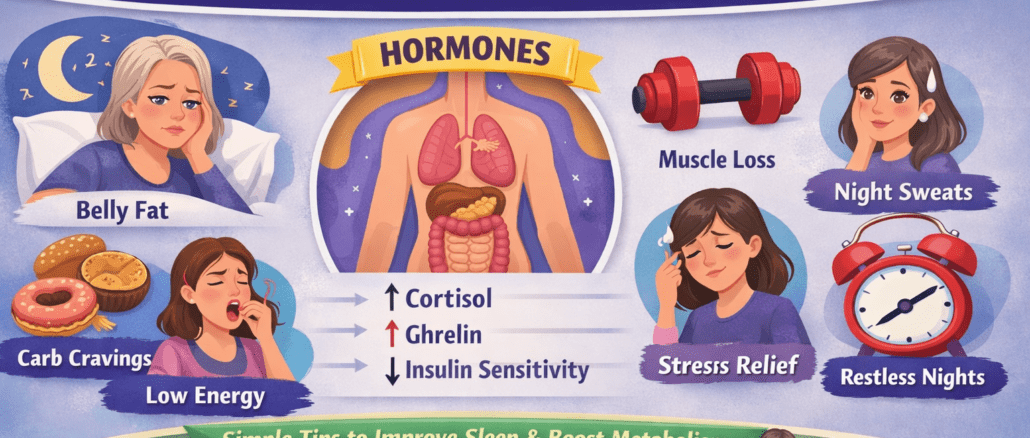
• Hormone changes during perimenopause
• Loss of muscle with age
• More fat stored around the body
• Poor or broken sleep
• Higher stress levels
• Less daily movement or exercise
According to the National Institute of Diabetes and Digestive and Kidney Diseases (NIDDK), insulin resistance often develops gradually over time and may be linked to aging, body fat, and lifestyle habits.
Because these changes happen slowly, many people do not notice symptoms at first.
That is why it is important to recognize early warning signs.
9 Signs of Insulin Resistance After 45
Let’s look at some of the most common warning signs many American women notice after 45 when blood sugar and insulin sensitivity begin changing during midlife.
Many women experience several of these symptoms together.
1. Belly Fat Around the Waist
One common sign is weight gain around the belly.
Even if your diet and exercise stay the same, fat may start to build around the waist.
Belly fat can affect hormones and blood sugar.
2. Strong Sugar Cravings
Craving sugar can be another early sign.
When blood sugar rises and drops quickly, the body may ask for more sugar.
Common cravings may include:
• Chocolate
• Sugary snacks
• White bread or pastries
• Sweet coffee drinks
Frequent cravings may be a sign that blood sugar is not stable.
3. Feeling Tired After Meals
Another sign of insulin resistance after 45 is feeling tired after eating.
Instead of feeling energized, you may feel:
• Sleepy
• Foggy
• Low energy
This can happen when the body has trouble using sugar for energy.
4. Trouble Losing Weight
Many women notice that weight loss becomes harder in midlife.
Many women describe feeling frustrated when healthy eating and exercise no longer seem to produce the same results they once did.
Even with healthy eating and regular exercise, progress may feel slow.
Insulin resistance can cause the body to store more fat.
This can make weight management more difficult.
5. Afternoon Energy Crashes
Sudden energy drops during the day can also be a warning sign.
You may feel fine in the morning but very tired in the afternoon.
This can happen when blood sugar rises fast and then drops quickly.
Stable blood sugar helps keep energy steady.
6. Feeling Hungry Soon After Eating
Frequent hunger may also be a sign.
You may feel hungry again shortly after finishing a meal.
Insulin resistance can affect hormones that control appetite.
Meals with protein, fiber, and healthy fats may help keep blood sugar stable.
Our guide on How to Balance Blood Sugar After 45 Naturally explains simple meal tips.
7. Changes in Skin Color
Some people notice skin changes.
Dark patches may appear on areas such as:
• The neck
• Under the arms
• The elbows
This condition is called acanthosis nigricans and may be linked to insulin resistance.
If you notice unusual skin changes, talk with a healthcare professional.
8. Brain Fog
Blood sugar swings may affect focus and thinking.
You may notice:
• Trouble concentrating
• Forgetfulness
• Mental tiredness
Stable blood sugar helps support brain energy.
9. Loss of Muscle
Muscle helps the body use sugar for energy.
But muscle mass slowly decreases with age.
According to the National Institute on Aging, muscle loss becomes more common during midlife when regular strength training and resistance exercise are not part of daily routines.
Less muscle can reduce insulin sensitivity and affect metabolism.
Lifestyle Habits That Can Help Improve Insulin Sensitivity
Recognizing the signs of insulin resistance after 45 is the first step.
The good news is that small daily habits can help support healthy blood sugar.
Strength Training
Strength training helps build and keep muscle.
Muscle helps the body use sugar for energy.
Even two or three strength workouts each week can help support metabolism.
Balanced Meals
Meals with protein, fiber, and healthy fats can help keep blood sugar steady.
These foods slow digestion and help prevent sugar spikes.
Examples of balanced meals that fit common U.S. lifestyle habits include:
• Eggs with vegetables
• Greek yogurt with berries and nuts
• Oatmeal with seeds and protein
You may also like our guide on 10 Foods That Help Lower Blood Sugar After 45 for more food ideas.
Daily Movement
Regular movement helps muscles use sugar from the blood.
Helpful activities include:
• Walking
• Strength training
• Cycling
• Yoga or stretching
Even a short walk after meals may help improve blood sugar control.
Learn more in our guide to Walking After Meals for Blood Sugar After 40.
Good Sleep
Sleep is very important for metabolic health.
Poor sleep can raise stress hormones and reduce insulin sensitivity.
According to the Centers for Disease Control and Prevention (CDC), consistently poor sleep may affect metabolism, blood sugar balance, and overall wellness over time.
Better sleep habits can help support hormone balance and healthy blood sugar.
If sleep has become more difficult during midlife, you may also find our guide to Why You Wake Up at 3 AM After 40 helpful.
Better sleep, balanced nutrition, regular movement, and stress management work together to support healthy blood sugar and metabolism during midlife.
When Lifestyle Support May Not Be Enough
Sometimes people follow healthy habits but still experience metabolic changes.
Several factors may contribute:
• Hormone shifts during menopause
• Long-term stress
• Poor sleep
• Genetic factors
If symptoms continue despite healthy lifestyle changes, it’s important to speak with a qualified healthcare professional. They can evaluate possible underlying causes and recommend the most appropriate next steps based on your individual health needs.
Frequently Asked Questions
1. What are the early signs of insulin resistance after 45?
Early signs may include belly fat, sugar cravings, low energy after meals, brain fog, and trouble losing weight. Many women in the U.S. notice these changes slowly during midlife.
2. Why do many women gain belly fat after 45?
After 45, hormone changes, stress, poor sleep, and muscle loss may affect weight gain. Many American women notice more fat around the waist even when their habits stay the same.
3. Can insulin resistance make you feel tired after eating?
Yes. Some women feel sleepy or tired after meals when blood sugar rises and drops too fast. This can happen when the body does not use sugar well for energy.
4. Can walking after meals help support blood sugar balance?
Yes. Walking after meals may help the body use blood sugar better. Even a short walk after eating may help support healthy blood sugar over time.
5. How can women over 45 support insulin sensitivity naturally?
Women over 45 may support insulin sensitivity with strength training, healthy meals, daily movement, good sleep, and less sugar. Small daily habits may help support a healthier metabolism.
Expert Note
Research suggests that insulin resistance during midlife may be influenced by hormone changes, muscle mass, sleep quality, physical activity, dietary habits, stress levels, and overall lifestyle. Persistent changes in blood sugar, weight, or energy should always be discussed with a qualified healthcare professional.
Health Disclaimer
This article is for educational purposes only and should not be considered medical advice. Always consult a qualified healthcare professional before making significant lifestyle changes or starting new supplements.
Research & References
This article was developed using publicly available information from:
- National Institute of Diabetes and Digestive and Kidney Diseases (NIDDK)
- National Institute on Aging (NIA)
- Centers for Disease Control and Prevention (CDC)
- American Diabetes Association
The Bottom Line for American Women Over 45
Understanding the signs of insulin resistance after 45 can help explain many body changes during midlife.
Common signs may include:
• Belly fat gain
• Strong sugar cravings
• Sudden energy crashes
• Trouble losing weight
• Feeling tired after meals
The good news is that simple daily habits can help.
Focus on:
• Strength training
• Balanced meals
• Daily movement
• Good sleep
• Stress control
Small habits done every day can help support healthy metabolism and stable blood sugar.
Over time, these habits may help you:
• Improve energy
• Reduce cravings
• Support long-term metabolic health
For many American women, improving blood sugar balance during midlife is less about extreme dieting and more about building sustainable daily habits that fit real U.S. lifestyles.
Healthy habits remain the foundation of long-term metabolic health after 45.
If you’re looking for practical daily strategies to build on these habits, you may also enjoy our guide on Best Diet for Women Over 40.
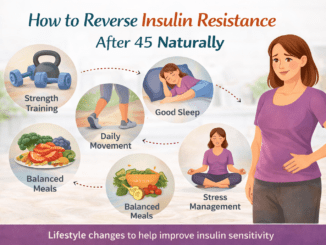
If you’d like to learn more about nutrition strategies that support these habits, explore our guide to How to Reverse Insulin Resistance After 45 Naturally.
If you’d like to compare evidence-informed options, explore our guide to Best Supplements for Women Over 40.