
Many American women over 45 begin asking why insulin resistance increases after 45 when their bodies suddenly start feeling different during midlife.
In the United States, many women notice stronger sugar cravings, lower energy, stubborn belly fat, and weight gain that no longer responds to the same routines they used in their 30s.
For women balancing busy U.S. schedules, stress, convenience meals, poor sleep, and hormonal changes, these symptoms can feel frustrating and confusing.
The good news is that understanding what affects insulin sensitivity during midlife may help women make healthier daily choices that better support metabolism and blood sugar balance.
You might feel tired after eating.
You may crave sugar more often.
You may notice more fat around your belly.
These changes are common in midlife.
Many women describe feeling frustrated when healthy habits suddenly stop producing the same results after 45.
This is one reason more American women are beginning to look beyond simple calorie counting and explore how insulin resistance may affect metabolism during midlife.
Hormones shift.
Sleep may get worse.
Muscle mass may slowly drop.
Stress may increase.
All of these can affect how your body handles blood sugar.
When you understand why insulin resistance increases after 45, it becomes easier to take small steps to help your health.
Simple habits can make a big difference.
Strength training helps build muscle.
Balanced meals help keep blood sugar steady.
Good sleep helps your body recover.
Together, these habits can support healthy blood sugar.
Table of Contents
ToggleWhat Is Insulin Resistance?
Before learning why insulin resistance increases after 45, it helps to understand what insulin resistance is.
Insulin is a hormone.
It helps move sugar from the blood into your cells.
Your cells use this sugar for energy.
When insulin works well:
• Blood sugar stays steady
• Cells get the energy they need
• The body stores less extra fat
But sometimes the body stops responding to insulin as well as it should.
This is called insulin resistance.
When this happens:
• Blood sugar may stay higher after meals
• The body makes more insulin
• The body may store more fat
Over time, insulin resistance can make it harder to control weight and energy.
According to the National Institute of Diabetes and Digestive and Kidney Diseases (NIDDK), insulin resistance often develops gradually over time and may be influenced by aging, body fat levels, and daily lifestyle habits.
Why Insulin Resistance Increases After 45 in Many American Women
There are many reasons why insulin resistance increases after 45.
Midlife brings changes in hormones, sleep, muscle, and stress.
These changes can affect how the body handles blood sugar.
Let’s look at the most common reasons.
1. Hormone Changes During Perimenopause
One major reason insulin resistance increases after 45 is hormone change.
During perimenopause and menopause:
• Estrogen levels change
• Progesterone levels shift
• Hormone balance becomes less stable
Estrogen helps the body control blood sugar.
When estrogen levels change, insulin may not move sugar into cells as well as before.
This may lead to:
• Higher blood sugar
• More belly fat
• A higher risk of insulin resistance
2. Loss of Muscle Mass
Muscle helps control blood sugar.
Muscle tissue uses glucose for energy.
But muscle mass often decreases with age.
The National Institute on Aging explains that muscle loss may become more common after midlife, especially without regular strength training.
When muscle decreases:
• The body burns fewer calories
• Glucose is used less well
• Insulin sensitivity drops
This is another reason insulin resistance increases after 45.
3. Changes in Body Fat
Body fat distribution often changes in midlife.
Many women notice more fat around the belly.
Belly fat is active tissue that can affect hormones.
Higher levels of belly fat are linked to:
• Inflammation
• Lower insulin sensitivity
• Higher blood sugar
This is why belly fat is often connected to metabolic changes.
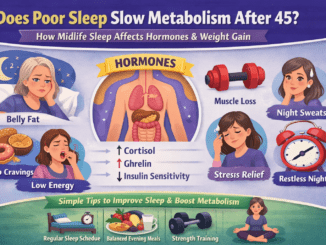
4. Poor Sleep Quality
Sleep plays an important role in metabolism.
Poor sleep can:
• Increase cortisol
• Increase hunger hormones
• Reduce insulin sensitivity
The Centers for Disease Control and Prevention (CDC) explains that poor sleep may be linked to metabolic health problems and insulin resistance.
Many women sleep less well during perimenopause.
Night sweats, stress, and hormone changes can disturb sleep.
5. Higher Stress Levels
Stress also affects blood sugar.
When stress increases, the body releases a hormone called cortisol.
Cortisol helps the body deal with short-term stress.
But long-term stress can keep cortisol levels high.
High cortisol may:
• Raise blood sugar
• Increase hunger
• Promote belly fat
This can increase the risk of insulin resistance after 45.
Managing stress through movement, relaxation, and sleep can help support metabolic balance.
6. Less Daily Movement
People often move less as they get older.
Less movement means muscles use less glucose.
Regular activity helps muscles absorb sugar from the blood.
This improves insulin sensitivity.
Helpful activities include:
• Walking
• Strength training
• Stretching
• Daily movement
Even small amounts of activity can help support healthy blood sugar.
7. Blood Sugar Spikes From Diet
Food choices also affect insulin resistance.
Blood sugar spikes often happen when meals include:
• Refined carbs
• Sugary drinks
• Highly processed foods
These foods can cause fast rises in blood sugar followed by energy crashes.
Over time, frequent spikes may increase insulin resistance.
If you’d like practical next steps, these guides can help:
• 10 Foods That Help Lower Blood Sugar After 45 — food choices that may support steadier blood sugar.
• How to Balance Blood Sugar After 45 Naturally — everyday habits that may help support healthy blood sugar levels.
Together, these resources provide practical nutrition and lifestyle strategies for supporting blood sugar during midlife.
Signs of Insulin Resistance After 45
Many women in the United States notice these signs slowly over time, especially during periods of stress, poor sleep, or hormonal changes.
You can also read our guide on Signs of Insulin Resistance After 45 to learn more about early warning signs.
Many women notice early signs when insulin resistance starts to develop.
Common signs may include:
• More belly fat
• Strong sugar cravings
• Energy crashes after meals
• Trouble losing weight
• Feeling tired even after eating
These signs usually appear slowly over time.
Noticing these changes early can help you take simple steps to support your metabolic health.
What Helps Improve Insulin Sensitivity
Understanding why insulin resistance increases after 45 is helpful.
But daily habits also play a big role.
Simple habits can help support insulin sensitivity and blood sugar balance.
Strength Training
Building muscle helps the body use sugar for energy.
Strength training two or three times a week can help keep muscle strong and support metabolism.
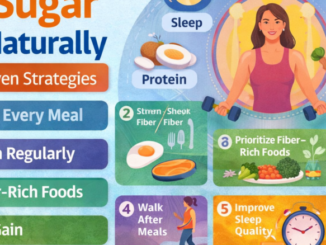
Balanced Meals
Balanced meals help keep blood sugar steady.
Meals that include protein, fiber, and healthy fats can slow digestion and reduce sugar spikes.
Examples include:
• Eggs with vegetables
• Greek yogurt with nuts and berries
• Oatmeal with seeds and protein
Regular Movement
Moving your body helps muscles use sugar from the blood.
Walking after meals can help reduce blood sugar spikes.
Even a short walk can help support blood sugar balance.
Learn more in our guide to Walking After Meals for Blood Sugar After 40.
Good Sleep
Sleep is important for hormone balance.
Getting about 7–8 hours of sleep may help control:
• Cortisol
• Hunger hormones
• Blood sugar
If sleep has become more challenging during midlife, you may also find our guide to Why You Wake Up at 3 AM After 40 helpful.
Stress Management
Lowering stress can help keep cortisol levels steady.
Helpful activities may include:
• Deep breathing
• Gentle stretching
• Meditation
• Walking outdoors
Small daily habits can make a big difference over time.
Consistent healthy habits—including strength training, balanced meals, regular movement, quality sleep, and stress management—can help support long-term metabolic health.
When Lifestyle Changes Are Not Enough
Sometimes people follow healthy habits but still notice changes in metabolism.
Several factors may play a role:
• Hormone changes during menopause
• Long-term stress
• Poor sleep
• Genetics
If symptoms continue despite healthy lifestyle changes, it’s important to speak with a qualified healthcare professional. They can help identify possible underlying causes and recommend an approach that’s appropriate for your individual health needs.
Frequently Asked Questions
1. Why does insulin resistance often increase after 45?
After 45, many women go through hormone changes, stress, poor sleep, and muscle loss. These changes may make it harder for the body to control blood sugar.
2. What are common signs of insulin resistance after 45?
Common signs may include belly fat, sugar cravings, low energy, brain fog, afternoon tiredness, and trouble losing weight.
3. Can walking help support blood sugar balance after meals?
Yes. Walking after meals may help the body use blood sugar better. Even short walks each day may help support healthy blood sugar over time.
4. What foods may help support insulin sensitivity after 45?
Foods with protein, fiber, and healthy fats may help support steady blood sugar. Good choices include eggs, yogurt, berries, beans, nuts, seeds, greens, and avocados.
5. Can stress and poor sleep affect insulin resistance?
Yes. Stress and poor sleep may affect hunger, metabolism, and blood sugar. Many women notice these changes during perimenopause and menopause.
Expert Note
Research suggests that insulin resistance during midlife may be influenced by hormone changes, muscle mass, sleep quality, physical activity, dietary habits, stress levels, and overall lifestyle patterns. Persistent changes in blood sugar, weight, or energy should be discussed with a qualified healthcare professional.
Health Disclaimer
This article is for educational purposes only and should not be considered medical advice. Always consult a qualified healthcare professional before making significant lifestyle changes or starting new supplements.
Research & References
This article was developed using publicly available information from:
- National Institute of Diabetes and Digestive and Kidney Diseases (NIDDK)
- National Institute on Aging (NIA)
- Centers for Disease Control and Prevention (CDC)
- American Diabetes Association
The Bottom Line for American Women Over 45
Understanding why insulin resistance increases after 45 can help explain many changes women notice in midlife.
Hormones change.
Muscle may decrease.
Sleep may become less restful.
Daily habits also affect blood sugar.
The good news is that small daily habits may help support healthier blood sugar balance and metabolism over time for many women in the United States.
Focus on simple habits such as:
• Strength training
• Balanced meals
• Regular movement
• Good sleep
• Stress management
These habits help support healthy metabolism and steady blood sugar.
Over time, healthy habits can:
• Improve energy
• Reduce cravings
• Support long-term metabolic health
Healthy habits remain the foundation of long-term metabolic health after 45.
If you’d like practical nutrition and lifestyle ideas that support these habits, explore our guide to How to Reverse Insulin Resistance After 45 Naturally.
If you’d like to compare evidence-informed options, explore our guide to Best Supplements for Women Over 40.

Be the first to comment