
Table of Contents
ToggleIntro
Doing everything right—but still gaining weight or feeling more tired after 45?
Many American women notice this shift even when their habits haven’t changed.
Your metabolism isn’t “broken”—but it is changing.
And once you understand the signs, you can finally adjust what actually works now.
With common U.S. routines—morning coffee, quick snacks, busy schedules, and inconsistent sleep—these shifts can show up faster than expected.
You’re eating the same.
You’re trying to stay active.
But your body feels different—and the results aren’t the same anymore.
If you’re a U.S. woman over 45 noticing stubborn belly fat, low energy, or slower progress, these are often signs your metabolism is slowing after 45.
The good news? Once you recognize these signs, you can start adjusting what actually works for your body now.
You may notice more belly fat, lower energy, stronger cravings, or slower progress than before—and it can feel frustrating when your usual routines stop working.
The truth is, these changes often follow a pattern. Once you understand what’s happening internally, it becomes easier to make smarter adjustments that actually support your body after 45.
Most women notice 2–3 of these signs at the same time, which is often the first signal that metabolism is shifting during midlife.
These signs often appear gradually, which is why many women don’t recognize them until several changes happen at once.
What’s actually happening:
After 45, your body changes how it uses energy.
Hormones shift.
Muscle slowly decreases.
Stress and sleep affect your metabolism more than before.
This is why the same routine often stops working.
If you’d like to understand why these changes happen during midlife, you may also enjoy our guide on How Hormones Affect Metabolism After 40, which explains the role hormones play in energy, body composition, and metabolism.
1. Weight Gain Around the Midsection
Many women first notice more fat around their belly.
This can happen even if they eat the same and move the same.
This change often links to:
If this feels familiar, you can also understand the bigger picture here:
Lower estrogen levels during perimenopause and menopause
Higher stress levels
Less muscle
Changes in insulin sensitivity and blood sugar regulation
If you want to understand why stress leads to belly fat in midlife, this explains it clearly:
👉 Cortisol and Belly Fat After 45
What You Can Do:
Lift weights 2–3 times a week
Eat more protein each day
Get good sleep
Rest and manage stress
Avoid very low-calorie diets
Belly weight gain is often a sign from your body. It is not a failure.
Why Belly Fat After 40 Is Different Than Weight Gain in Your 30s
What this means in real life is that many women notice these changes even when their habits stay the same, which can feel frustrating without understanding what’s happening internally.
2. Feeling More Tired Than Usual
If you feel more tired than before — even after a full night of sleep — your metabolism may be changing.
As you age, you lose muscle. Your blood sugar may also rise and fall more often. Because of this, your body may not turn food into energy as well as it once did.
What makes this confusing is that these changes often happen gradually, so many women don’t notice them until multiple symptoms appear at the same time.
3. Loss of Muscle Tone or Strength
Research shows that muscle mass naturally declines with age, especially without strength training.
Muscle helps your body burn calories. When you lose muscle, you burn fewer calories — even at rest.
You may notice:
Arms or legs feel softer
You feel weaker
It takes longer to recover after activity
What You Can Do:
Start strength training (bodyweight exercises are fine at first)
Eat enough protein at each meal
Slowly make your workouts harder over time
Even two strength sessions per week can help keep your metabolism strong.
What These Signs May Mean Together
Many women notice several of these changes at the same time rather than just one. Looking at the overall pattern—instead of focusing on a single symptom—can make it easier to choose lifestyle changes that support long-term metabolic health.
🧠 Quick Reality Check
Most women experience at least 2–3 of these signs together—not just one.
This is often the point where metabolism changes become noticeable.
At this stage, many women realize that doing more is not always the answer—and begin looking into approaches that support their metabolism more effectively.
This is usually the moment many women realize something deeper is changing—not just their routine, but how their body is responding overall.
4. Stronger Cravings — Especially for Carbs
If you crave sugar or white carbs more often, your blood sugar may be going up and down.
As you age, your body may not handle sugar as well as before. This can cause quick rises and drops in blood sugar. When this happens, you may feel tired and want more sugar.
Over time, these ups and downs can lead to weight gain and a slower metabolism.
What You Can Do:
Eat protein within one hour of waking up
Eat carbs with protein and fiber
Avoid highly processed snacks
Drink enough water
Steady blood sugar helps control hunger and keeps your energy stable.
If cravings feel stronger than before, learn more in Signs of Insulin Resistance After 45:
5. Increased Sensitivity to Stress
Stress affects your metabolism more than you may think.
When you feel stressed for a long time, your body releases more cortisol. High cortisol levels can lead to belly fat and stronger hunger in some people.
Midlife can bring more stress. Work, family, and caring for parents can all add pressure.
What You Can Do:
Sleep 7–8 hours each night
Try slow breathing or gentle stretching
Avoid very hard workouts if you already feel tired
Plan rest days each week
Managing stress after 45 is not extra. It is essential for a healthy metabolism.
6. Poor Sleep or Frequent Night Waking
Sleep problems are common during perimenopause and menopause.
When you do not sleep enough, your body changes in ways that affect your metabolism. Poor sleep can:
Make you feel hungrier
Make it harder to control blood sugar
Raise stress hormones
Increase cravings
Even one week of bad sleep can affect how your body handles food.
Research suggests that short-term sleep deprivation can temporarily reduce insulin sensitivity and increase hunger hormones like ghrelin while lowering fullness hormones such as leptin. Research suggests that poor sleep may affect appetite regulation, cravings, hunger hormones, and overall metabolic health.
What You Can Do:
Go to bed and wake up at the same time each day
Turn off screens at least 60 minutes before bed
Keep your bedroom cool and dark
Avoid heavy meals late at night
Sleep is one of the best tools to support your metabolism — and it costs nothing.
Most women don’t realize this part—and it’s often why progress feels stuck even when habits look “right.”
The good news is that metabolism doesn’t simply “stop” after 45. While natural changes occur with age, consistent habits such as strength training, balanced meals, quality sleep, and stress management can continue to support healthy metabolic function.
What Actually Helps Support Metabolism After 45
If many of these signs sound familiar, you are not alone—and this is where a smarter approach makes a difference.
Instead, focus on simple daily habits that support your metabolism.
Here’s what tends to make the biggest difference for most women:
1. Strength Training
Build and keep muscle.
2. Eat Enough Protein
Learn more in our guide on How Much Protein Do Women Over 45 Need?
Many women need a bit more protein after 45 to help protect muscle.
3. Keep Blood Sugar Steady
You may also find our article on How to Balance Blood Sugar After 45 Naturally helpful.
Balanced meals help control hunger and keep energy stable.
4. Manage Stress
Long-term stress makes it harder to keep your metabolism balanced.
5. Sleep Well
If sleep has become more challenging, read Does Poor Sleep Slow Metabolism After 45?
Sleep affects almost every hormone linked to metabolism.
At this stage, many U.S. women stop trying to do more—and start focusing on what actually supports their metabolism long-term.
⭐ Where Many Women Continue Their Research
Lifestyle habits create the foundation for long-term metabolic health. Some women also choose to learn about supplements that complement these habits. Before deciding, it’s helpful to understand the ingredients, evidence, and intended use of different options.
Editorial Note: This article is intended for educational purposes and is based on publicly available nutrition, metabolism, and healthy aging research. Individual experiences vary, and the information provided should not be considered medical advice or a substitute for guidance from a qualified healthcare professional.
The Bottom Line
A slower metabolism after 45 is common. But it is not permanent.
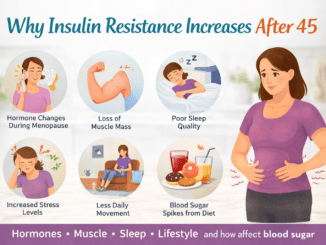
Most changes in midlife link to:
Muscle loss
Hormone changes
Stress
Sleep problems
Blood sugar changes
When you work on these areas, you can improve your energy, strength, and body shape over time.
You do not need to do more.
You need to do the right things — and do them often.
If you are building a plan, start with:
Strength training
Eating enough protein
Getting good sleep
These three habits alone can make a big difference over time.
You are not behind.
Your body is changing—and now you understand what to focus on.
Your body is changing, but understanding why these shifts happen can help you make informed decisions. Small, sustainable changes—combined with reliable information—often provide a stronger foundation than chasing quick fixes.
When you shift your approach, progress becomes possible again.
If you’re looking for a simple next step, exploring the right kind of support can help you move forward without feeling stuck.
👉 If you’re exploring ways to support the healthy habits covered in this article, our Best Supplements for Women Over 40 guide explains common metabolism-support ingredients, what current research says, and how to compare different options before deciding what’s right for you.
Frequently Asked Questions
1. Why does metabolism slow down after 45?
After 45, your body begins to change in natural ways, including shifts in hormones, a gradual loss of muscle, and changes in how your body uses energy. Because of this, your body may burn fewer calories and store more fat, even if your daily habits stay the same.
2. What are the first signs of a slowing metabolism?
Some of the first signs may include more belly fat, lower energy, stronger cravings, slower weight loss, and finding it harder to maintain muscle. Many women notice several of these changes happening at the same time.
3. Can you boost your metabolism after 45?
Yes, many women support their metabolism by focusing on strength training, balanced nutrition, good sleep, and stable blood sugar. In most cases, small and consistent habits tend to work better than extreme or short-term changes.
4. Why do I feel more tired even when I sleep enough?
Feeling tired can often be linked to changes in metabolism, muscle mass, or blood sugar balance. Even if you are getting enough sleep, your body may not convert food into energy as efficiently as it once did.
5. What should I focus on if my metabolism is slowing?
Most experts suggest focusing on maintaining muscle, eating enough protein, managing stress, improving sleep quality, and supporting balanced blood sugar, as these areas can play a key role in long-term results.


Be the first to comment