Table of Contents
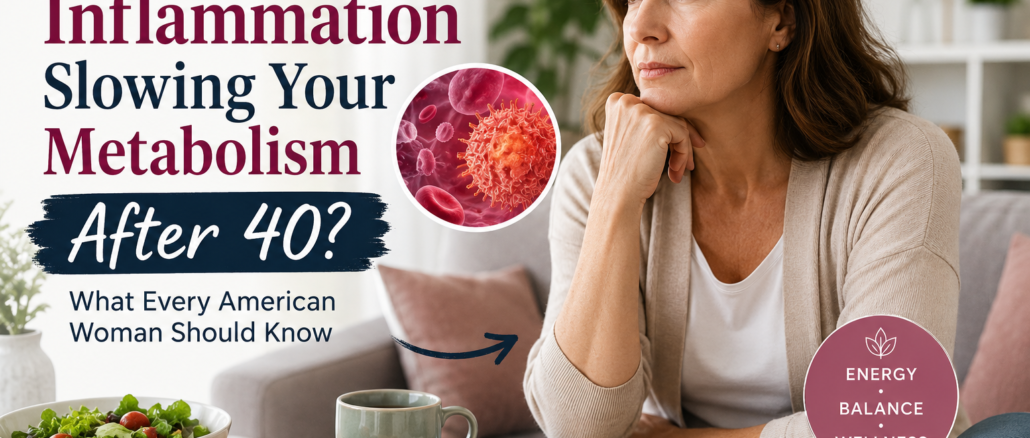
ToggleIs Chronic Inflammation Slowing Your Metabolism After 40?
Quick Answer
Chronic inflammation may play a role in metabolism after 40, but it’s usually only one part of the picture. Sleep, stress, nutrition, physical activity, muscle health, and hormone changes all work together. Small, consistent lifestyle habits often have the greatest long-term impact on overall metabolic health.
Have you ever finished a long workday, picked up dinner on the way home, sat on the couch, and wondered why you feel so tired? Your day wasn’t even that busy, but your energy is gone.
You wake up ready to make healthier choices. But mornings are rushed. Lunch happens between meetings. By evening, you’re too tired to cook, so takeout or quick meals feel like the easiest option.
A few months later, your favorite jeans feel tighter. Your afternoon energy disappears sooner than it used to. Even though you’re trying to make healthier choices, your body no longer seems to respond the same way.
Many women over 40 experience this. While age-related changes are part of the picture, chronic inflammation may also play a role and is often overlooked.
Unlike the temporary inflammation that helps your body heal after an injury, chronic inflammation can quietly remain active over time without obvious symptoms. It may affect how your body uses energy, responds to insulin, handles stress, and supports a healthy metabolism.
In this article, you’ll learn how inflammation and metabolism after 40 may be connected. We’ll also look at everyday habits that can increase inflammation and simple ways to support your health without relying on quick fixes.
What Is Chronic Inflammation?
What health experts say
Organizations such as Harvard Health, Cleveland Clinic, and Mayo Clinic describe chronic inflammation as a long-term immune response that may contribute to a variety of chronic health conditions. They also emphasize that healthy eating, regular movement, quality sleep, and stress management are important parts of overall health.
Inflammation is not always bad.
In fact, it’s one of the ways your body protects you. If you cut your finger or catch a virus, inflammation helps your immune system fight the problem and start the healing process.
Challenges can arise when inflammation remains active for long periods.
This type of long-term inflammation can build up slowly over months or even years. Many people don’t notice it because it often develops gradually without obvious symptoms.
Rather than feeling obviously “inflamed,” you may notice gradual changes such as:
Feeling more tired than usual
Taking longer to recover after exercise or daily activities
Craving food more often
Waking up with stiff muscles or joints
Finding it harder to keep a healthy weight
Feeling tired or unfocused during the afternoon
These signs do not always mean you have inflammation. But when several happen together, they may be a sign that your body is dealing with ongoing stress.
Why Inflammation Can Increase After 40

Midlife brings many physical and lifestyle changes beyond hormonal shifts.
Many women in the United States have busy lives. They work, care for teenagers or aging parents, manage the home, and still try to eat well and stay active.
Over time, these daily demands can affect how the body responds to inflammation.
Some common things that may play a role include:
Eating lots of processed or convenience foods
Not getting enough sleep
Ongoing stress
Sitting for long periods
Carrying extra body fat
Smoking
Not getting enough physical activity
Hormone changes during perimenopause may also affect inflammation. This is one reason many women feel that their bodies react differently than they did in their 30s.
If you’d like to understand how hormone changes influence metabolism, energy, and weight during midlife, this guide explains the connection in more detail:
👉 How Hormones Affect Metabolism After 40
For most women, it’s not one single cause. Instead, several everyday habits and life circumstances often work together over time.
Why Inflammation and Metabolism After 40 May Be Connected

Metabolism involves much more than the number of calories your body burns each day.
It’s how your body turns food into energy and keeps everything working properly. These jobs happen every second, even while you sleep.
Your metabolism helps your body:
Turn food into energy
Keep muscles strong
Balance blood sugar
Support healthy hormones
Repair cells
Help your immune system work properly
When chronic inflammation is present, some of these normal processes may become less efficient.
Researchers are still learning how inflammation affects metabolism. Studies suggest it may play a role in how your body responds to insulin, keeps muscle, and makes energy.
One important part of this process is preserving lean muscle. Since muscle naturally declines with age, understanding how to protect it can make a meaningful difference for long-term metabolic health.
Inflammation is not the only reason for weight gain or tiredness, but it may be one piece of the puzzle, along with hormone changes and daily habits.
This may help explain why two women can eat similar meals but have very different results with their energy, recovery, and weight.
It's Not Just About Food
Many people think inflammation only comes from eating unhealthy foods.
Nutrition is only one part of the overall picture. Your sleep, stress levels, movement, and everyday routines can all influence how your body responds over time.
Think about a normal weekday.
You may grab a flavored coffee and a breakfast sandwich on your way to work.
At lunch, you eat whatever is quick because you’re busy.
By the end of the day, you’re tired. You skip your walk and snack on chips while making dinner.
These choices don’t happen because you don’t care about your health.
They usually happen because real life gets busy. When healthy choices feel difficult to maintain, it’s often a sign that your routine needs more support—not that you’ve failed.
That’s why small habits you can stick with are usually better than trying to be perfect.
When you understand your daily routine, it’s easier to make simple changes that can last over time.
Signs Your Body May Be Asking for More Support
When should you talk with your healthcare provider?
If fatigue, unexplained weight changes, persistent pain, swelling, fever, or other symptoms continue for several weeks—or interfere with daily life—it’s a good idea to discuss them with a qualified healthcare professional. These symptoms can have many different causes and deserve an appropriate evaluation.
These signs don’t automatically point to inflammation. They can have many possible causes, including stress, sleep habits, hormonal changes, nutritional factors, or underlying medical conditions. If symptoms are persistent or concerning, it’s important to discuss them with a qualified healthcare professional.
Every woman goes through midlife in her own way.
Even so, many women notice some of the same changes, such as:
Feeling very tired in the afternoon
Craving more snacks after a stressful day
Feeling tired even after a full night’s sleep
Taking longer to recover after exercise
Slowly gaining weight around the waist
Having less energy than they used to
These signs do not always mean you have inflammation.
But they may be a sign to look at your overall health. That includes your sleep, food choices, daily movement, stress, and other healthy habits.
You don’t always need to find one single cause.
More often, it’s the combined effect of several everyday habits and life changes over time.
Key Takeaways
- Chronic inflammation is usually only one part of the picture.
- Hormones, sleep, nutrition, stress, and muscle health all influence metabolism.
- Small daily habits often matter more than perfect routines.
- Long-term consistency usually beats short-term extremes.
- Supplements work best alongside healthy lifestyle habits—not instead of them.
Remember
Healthy metabolism after 40 rarely depends on one single habit.
Nutrition, sleep, movement, stress, muscle health, hormones, and consistency all work together over time. Improving even one or two of these areas can be a meaningful first step.
Practical Habits That May Help Support a Healthy Inflammatory Response
Supporting your body’s natural inflammatory response usually starts with practical habits rather than major lifestyle changes.
Small, consistent habits often have a greater long-term impact than dramatic changes that are difficult to maintain.
One habit that often gets overlooked is eating enough protein throughout the day. Adequate protein supports muscle maintenance, which is closely connected to metabolism during midlife.
👉 How Much Protein Do Women Over 45 Need?
Here are several areas worth focusing on.
Build Balanced Meals Instead of Perfect Meals
Many women cut out whole food groups after they gain weight.
But a simple, balanced meal plan is often easier to follow over time.
Try to include these foods in your meals:
Lean protein
Vegetables or fruit
Healthy fats
High-fiber carbs
Eating this way may help support steadier energy, reduce large swings in hunger, and make healthy eating easier to maintain throughout the week. It may also help reduce the cycle of getting very hungry and then eating too much.
If you’ve noticed blood sugar swings, afternoon crashes, or cravings becoming more common, understanding how they relate to metabolism can be helpful.
Move More—Even If You Can't Exercise for an Hour
You don’t need hard workouts to stay active.
For many busy women, long gym sessions just aren’t realistic.
Instead, try adding more movement to your day with simple habits like:
Taking a short walk around your neighborhood
Stretching during work breaks
Using the stairs instead of the elevator
Parking a little farther from the entrance
Standing up more often during the day
These small changes may help support healthy blood flow, strong muscles, and a healthy metabolism.
Progress usually comes from repeating simple habits—not from trying to follow a perfect plan every day.
Consistency matters more than doing everything perfectly.
Sleep Is One of the Most Underrated Wellness Habits
Many women focus on food and supplements but underestimate how important quality sleep is for overall health.
Getting enough sleep helps your body:
Recover from the day
Keep hormones balanced
Control hunger
Maintain steady energy
Handle stress better
Even getting 30 to 60 more minutes of sleep each night may make healthy habits easier to stick with.
If you’re looking for practical morning habits that naturally support better energy after a good night’s sleep, this guide offers simple ideas that fit busy schedules.
Everyday Foods That Naturally Fit an Anti-Inflammatory Pattern
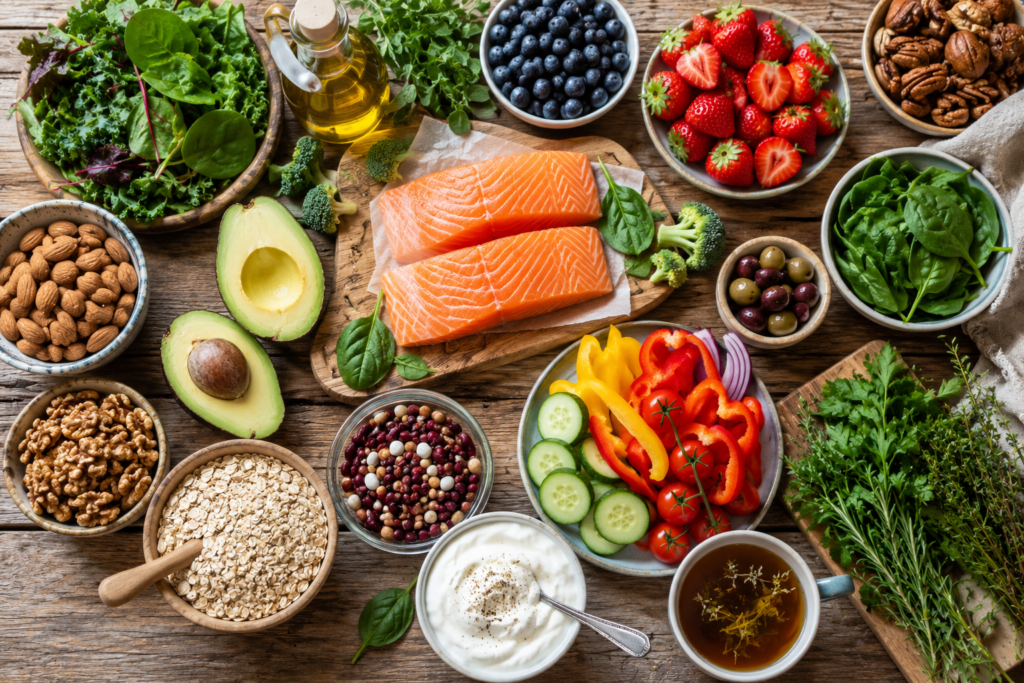
Many of these foods are also rich in nutrients that support a healthy gut. Since gut health and inflammation are closely connected, improving your daily food choices may benefit more than just your metabolism.
If you’d like to learn more about this connection, our guide explains how digestive health may influence weight management during midlife:
👉 How Gut Health Affects Weight Loss After 40
Instead of chasing expensive superfoods or viral wellness trends, focus on everyday foods you can easily find at your local grocery store.
Good choices include:
Berries
Leafy greens
Broccoli
Salmon
Beans
Oats
Walnuts
Olive oil
Plain Greek yogurt
Avocados
It can also help to slowly cut back on foods that often become part of busy or stressful weeks, such as:
Sugary drinks
Processed snack foods
Fast-food meals
Packaged desserts
Refined snack foods like chips and crackers
Healthy eating doesn’t require giving up every food you enjoy.
The goal isn’t a perfect week—it’s building eating habits that still work when life gets busy. Long-term consistency usually matters much more than short periods of perfection.
Why Consistency Usually Matters More Than Perfection
One healthy lunch won’t change your metabolism overnight.
And one fast-food meal won’t ruin it either.
Your body responds to what you do most of the time.
That’s why long-term consistency usually matters more than following a perfect routine for just a few days.
Think about these two weeks.
Week One
Skip or rush breakfast
Eat fast food for lunch
Get very little movement
Sleep about five hours each night
Eat snacks because of stress every evening
Week Two
Eat a breakfast with protein
Take a short walk after dinner
Add vegetables to most meals
Sleep about seven hours each night
Eat fewer sugary snacks
Neither example is perfect.
But over time, these small daily choices can make a big difference.
Many women find this way of thinking less stressful than following strict diets that are hard to stick with.
When Progress Feels Slower Than Expected
Sometimes women make healthy changes but still feel disappointed because improvements in energy or sleep often appear before noticeable changes in body weight.
Their weight may not change as fast as they hoped.
That’s normal.
Progress isn’t always measured by the number on the scale. Many women first notice steadier energy, better sleep, fewer afternoon cravings, or improved daily stamina before they notice visible changes in body weight.
Many factors work together to influence your overall health, including:
Hormones
Sleep
Muscle mass
Stress
Nutrition
Physical activity
Genetics
Medical conditions
Instead of looking for one quick fix, focus on small healthy habits that work together over time.
Many women notice improvements after focusing on sleep, balanced meals, daily movement, and stress management. Others who have already built those habits may choose to learn more about evidence-informed nutritional support as one additional part of their overall wellness plan. Healthy daily habits remain the foundation.
If you’ve already been working on your daily habits but still feel like something is missing, our Best Supplements for Women Over 40 guide reviews commonly discussed ingredients, summarizes current research, and explains what many women consider when comparing different options.
Encouragement
If your body doesn’t respond the way it used to, it’s easy to feel discouraged. But you’re not alone.
Midlife often means your body needs a different approach. That’s not because you’ve done something wrong. It’s because your body is going through a new stage of life.
Positive changes are still possible at every stage of midlife.
Instead of fighting your body, try working with it.
Sustainable habits usually outperform perfect habits. The goal isn’t to do everything at once—it’s to build routines you can realistically maintain through busy workweeks, family responsibilities, and everyday life.
Over time, those daily habits can help support better energy, more confidence, and overall well-being.
Small Improvements Add Up
Healthy aging is usually the result of consistent everyday choices rather than one perfect decision. Small choices repeated over weeks and months often have the greatest long-term impact. Even one additional serving of vegetables, a short daily walk, or going to bed a little earlier can become meaningful when practiced consistently.
When Healthy Habits Aren’t the Whole Story
Some women feel better after improving sleep, eating more balanced meals, becoming more active, and managing stress. Others still have questions about supporting their overall wellness. Learning about nutritional support doesn’t replace healthy habits—it simply helps you understand another part of the bigger picture.
Final Thoughts
Chronic inflammation may be one reason your metabolism changes after 40, but it’s usually not the only reason.
Your health is affected by many things working together, including:
- Healthy eating
- Daily movement
- Good sleep
- Stress levels
- Muscle health
- Hormone changes
Instead of searching for quick fixes, focus on building realistic habits you can maintain over the long term.
Many women discover that lasting progress usually comes from small, sustainable habits they can maintain—not from starting over every Monday.
Lifestyle habits remain the foundation of long-term wellness. For some women, nutritional support may complement those habits—but it isn’t a substitute for nutritious eating, regular movement, quality sleep, stress management, or guidance from a qualified healthcare professional.
If you’ve already spent weeks or months improving your meals, walking more often, getting better sleep, and managing everyday stress—but you’re still looking for additional ways to support your overall wellness—many women begin researching nutritional support.
Our Best Supplements for Women Over 40 guide reviews evidence-informed supplement categories, explains commonly used ingredients, and helps you compare options alongside the healthy habits you’ve already built.
FAQs
Can chronic inflammation affect metabolism after 40?
Yes, it may. Research suggests that long-term inflammation can affect how your body uses insulin, keeps muscle, and makes energy. It’s usually one of several factors that affect metabolism, not the only one.
What are common signs of chronic inflammation?
Some people notice:
Feeling tired most of the time
Waking up with stiffness
Taking longer to recover after exercise
Craving food more often
Slowly gaining weight
These signs can have many causes. If they don’t go away, talk with your healthcare provider.
Which foods may help support a healthy inflammatory response?
Many experts suggest eating more:
Vegetables
Fruits
Whole grains
Beans and lentils
Fish
Nuts and seeds
Healthy fats like olive oil
It also helps to eat fewer highly processed foods and sugary drinks.
Can stress increase inflammation?
Yes, it may. Ongoing stress can affect your body in several ways. It can change hormone levels, make it harder to sleep, and lead to less healthy habits. Managing stress is one part of staying healthy.
Should I take supplements for inflammation after 40?
Supplements should not replace healthy eating, regular exercise, good sleep, and stress management.
If you’re considering supplements, it’s generally a good idea to review the evidence, understand the ingredients, and discuss them with your healthcare provider—especially if you take medications or have existing health conditions.
Some women choose to explore nutritional support alongside these healthy habits. Learning about the ingredients and the latest research can help you make informed decisions with your healthcare provider.
Editorial Note: This article is intended for educational purposes and is based on publicly available nutrition, metabolism, and healthy aging research. Individual experiences vary, and the information provided should not be considered medical advice or a substitute for guidance from a qualified healthcare professional.
We regularly review and update our wellness content to reflect current evidence and best practices for healthy aging.